


Environment
The Role of Equity in Climate Justice in Brazil
A look at innovations taking root in Brazil that preserve endangered ecosystems while fostering socioeconomic equity.

A look at innovations taking root in Brazil that preserve endangered ecosystems while fostering socioeconomic equity.
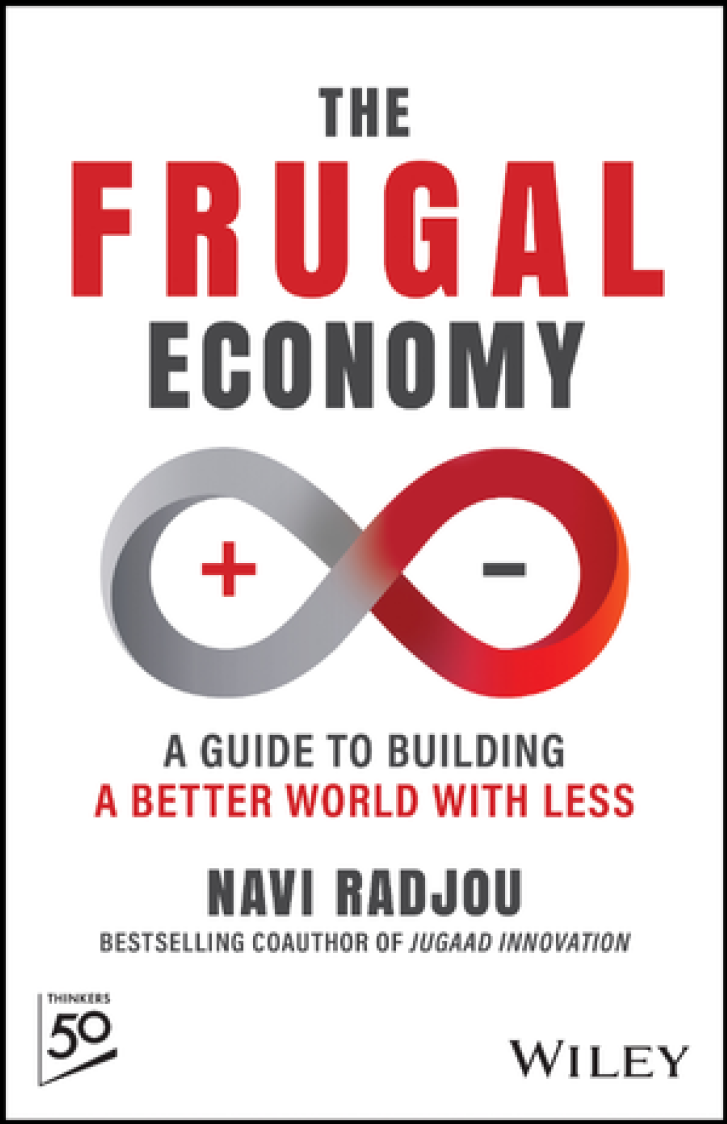
An excerpt from The Frugal Economy on regenerating people, places, and the planet

Business leaders are under pressure to address the climate crisis, but they can’t do so alone. Climate alliances can help leaders and firms be more ambitious, responsible, and effective in driving the systems change necessary to save the planet.

The ESA Hub is spearheading an anticipatory-response model of disaster management in Zimbabwe to protect people from climate-related destruction.

A list of articles on planning for the future, responding to DEI backlash, nurturing the next generation of leaders, AI’s potential for social impact, and other topics on the minds of nonprofit leaders.

A warming world is causing adverse psychological and emotional impacts for many young people. Universities may be able to help by building opportunities for students to take relevant action beyond the classroom.

Artificial intelligence has enormous potential to help humanity fight climate change. These organizations are already showing the way.

Engaging directly with business was never the environmental movement’s first choice—and for good reason.

Aiming for sustainability has not fundamentally altered the environmentally destructive effects of business. Only by embracing regeneration as a model can we meet the challenges posed by today’s biggest global crises.
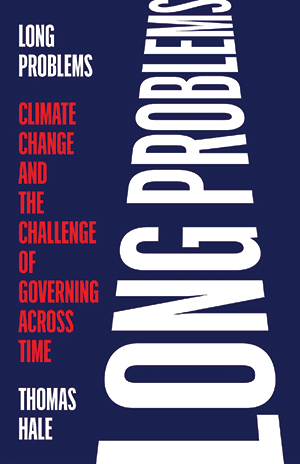
In Long Problems, Thomas Hale contends that effective political solutions to climate change are vexed by the issue of coordinating policies over protracted time horizons.